Blog / Alan Webb Nissan Service

Blog

All Alan Webb Nissan Service Alan Webb Nissan Nissan Dealership Vancouver, WA Vancouver Nissan Dealer Vancouver Nissan Service Car Financing Vancouver, WA Brake Repair Vancouver, WA 2026 Nissan Frontier 2026 Nissan Lineup Nissan SUVs Tire Service Vancouver, WA 2024 Nissan Altima Vancouver, WA 2024 Nissan Lineup 2024 Nissan Murano Vancouver, WA 2024 Nissan Kicks Vancouver, WA 2024 Nissan Sentra Vancouver, WA 2025 Nissan Kicks Vancouver, WA 2025 Nissan Murano Vancouver, WA 2025 Nissan Pathfinder Vancouver, WA 2025 Nissan Rogue Vancouver, WA 2026 Nissan Sentra Nissan Features & Performance Nissan Genuine Accessories 2024 Nissan ARIYA Vancouver, WA 2024 Nissan LEAF Vancouver, WA 2024 Nissan Pathfinder Vancouver, WA 2025 Nissan Armada Vancouver, WA 2025 Nissan Frontier Vancouver, WA 2025 Nissan Lineup 2025 Nissan Versa Vancouver, WA 2026 Nissan Pathfinder Vancouver, WA Leasing Benefits Nissan Safety Features 2024 Nissan Frontier Vancouver, WA 2024 Nissan Rogue Vancouver, WA 2025 Nissan Leaf Vancouver, WA 3-Row Nissan SUVs 2024 Nissan Armada Vancouver, WA 2024 Nissan Titan Vancouver, WA 2024 Nissan Versa Vancouver, WA 2025 Nissan Altima Vancouver, WA 2025 Nissan Sentra Vancouver, WA 2026 Nissan Armada 2026 Nissan Frontier inventory 2027 Nissan Frontier 2027 Nissan Frontier dealer 2027 Nissan Frontier inventory 2027 Nissan Frontier Vancouver, WA dealer 2027 Nissan Kicks 2027 Nissan Kicks dealer 2027 Nissan Kicks features Advance Driver Assistance Nissan Battery Nissan Battery Maintenance Nissan Battery Service Nissan Frontier dealer Nissan Tire Vancouver Used Cars
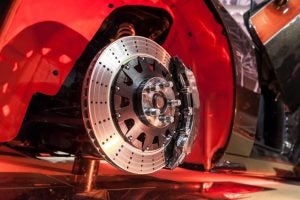
Brake disk and detail of a wheel hub | Vancouver, WA

6 Signs That Your Nissan Needs a Brake Repair

Schedule Brake Repair Service There are several tell-tale signs that crop up when you need a brake repair. You may just have a problem with your brake pads, or there could be a problem with another component of your braking system. Either way, you need to head to your Nissan dealership when these signs show up, as driving with faulty brakes can endanger you. How to Know Your Nissan Needs a Brake Repair 1. Metallic Screeching Sound Brake pads are an important part of your vehicle's braking system, and they need to be at least 2/32 of an inch thick to be considered safe enough to drive with. When they get to this thickness, you'll hear them start to make a high-pitched screeching noise every time you step on the brake pedal. This sound isn't just annoying: it's an indicator that soon, your warn-down brake pads will start causing problems and damaging other parts of your braking system, such as the rotors. 2. Visible Brake Pad Wear Although you can safely drive until your brake pads are 2/32 of an inch thick, you should head to the dealer if your brake pads look thinner than 1/4 of an inch. Visually inspect them occasionally. You'll see them if you look between the spokes of your wheels. 3. Grinding Noises Generally, it's never good to hear any kind of noise when you hit the brakes. If you hear a grinding sound, then you definitely need to get to the dealer ASAP. Grinding sounds tell you that there's almost definitely some damage being done to your rotors, as your brake pads aren't thick enough. 4. Veering Car If your car veers to one side when you use the brake pedal, then you need to visit the dealer. You only have enough braking power on one side, meaning your car is pulling to the side with fully functioning brakes. On the other side, you may have a jammed caliper piston or overly worn-down brake linings. Although, this problem can sometimes be caused by contaminated brake fluid, too. 5. Decreased Brake Performance If your brakes aren't as responsive as they were previously, then you need to get them checked out. Decreased brake performance can be a sign of several different issues, including worn rotors or leaks in the braking system. 6. Soft Brake Pedal When you step on your brake pedal, there should be resistance, like the pedal wants to spring back into place. If it's soft and sinks right down when stepped on, then you need to get your brakes inspected. If you need a brake inspection and repair, then come to Alan Webb Nissan in Vancouver, WA. We can also fix all the other systems in your vehicle, so don't hesitate to visit any time there's something wrong.
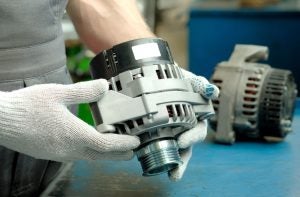
man holding a car part | Vancouver, WA

5 Benefits of Getting OEM Parts for Your Nissan

Order Parts Online When it comes to maintaining your Nissan, it's essential to use the right parts. OEM parts are the same parts you'd find on your vehicle fresh out of the factory, and your Nissan dealership uses nothing else when servicing your pride and joy. Why Get OEM Parts for Your Nissan? 1. Performance and Safety Performance and safety are great reasons for using OEM components on your Nissan, and the two things are linked. Brakes are one element to be aware of. For instance, there are vital differences in the way OEM brake pads are designed compared to some aftermarket equivalents, and that can lead to early failure in the case of the latter. There are many other examples we could highlight. Inferior struts or shock absorbers could make the car hard to handle in an emergency. A low-quality steering rack could cause a loss of control, too. Simple items like air or oil filters can harm your engine and make the car run badly if they're a poor fit or they have substandard filtration. OEM Nissan parts help to maintain performance and safety. 2. Efficiency Also related to performance is efficiency. You may think of fuel efficiency when this word crops up, and there are many ways a malfunctioning car can harm this. OEM engine components might avoid problems, for example, by optimizing efficiency in the combustion process. Maintaining the air intake system with original parts helps efficiency. OEM exhaust components could help with fuel efficiency by avoiding issues like back pressure. 3. Reliability Cars of today are more reliable than they used to be, but still, using parts made by OEMs helps them stay that way. Items that may seem innocuous like aftermarket spark plugs could create all manner of problems, like unreliable starting, engine misfires, poor fuel economy, or ignition system damage and failure. (Nissans tend to use either NGK or Denso spark plugs.) 4. Peace of Mind From a Nissan Dealership It'd be wrong to claim that all aftermarket parts are low quality. However, many times when you're shopping for cheap parts, you won't be sure of the quality. That niggling element of doubt doesn't exist when you invest in Nissan parts and get your vehicle serviced by a Nissan dealer. You also know OEM components won't expire prematurely. In the longer term, you're likely to save money. 5. Warranty Compliance A Nissan vehicle warranty usually lasts for 3 years or 36,000 miles. It's not necessarily voided by the use of aftermarket parts, but damage or failure that is caused by "installation of non-Nissan approved accessories or components" is a reason for exclusion. To make sure your Nissan is maintained with the correct parts, contact Alan Webb Nissan in Vancouver, WA today and schedule a service.

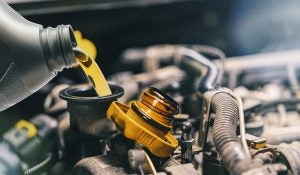
Pouring oil to car engine. Fresh oil poured during an oil change to a car | Vancouver, WA

The Importance of Regular Oil Changes for Your Nissan

Schedule Your Oil Change Love your Nissan? To keep it running smoothly, you've got to do some nitty-gritty car care: oil changes. It may seem like just another task on your car's maintenance checklist, but changing your oil at your local Nissan dealer is a biggie for your car's well-being. Why Oil Changes Can't Wait Motor oil is your engine's best friend. It keeps everything inside running smoothly, cutting down on friction and the wear and tear that comes with it. Skip those oil services and you're leaving your engine to fend for itself against all sorts of grime and gunk. Fresh oil also prevents your engine from overheating by dissipating heat that your engine makes while running. Regularly changing the oil in your car means you pay a little now to save a lot later. Ignoring your oil can lead to some pretty serious engine issues that your wallet won't be happy about. When to Swap Old Oil at the Nissan Dealer Thanks to better oil and engines, you can usually stretch the interval at which you change your oil to about 5,000 to 7,500 miles. It really depends on how you drive. Check your owner's manual for specifics on what the people who made your Nissan suggest. Signs It's Time for Fresh Oil Too Many Miles If you've passed the suggested mileage for a change, don't wait for something to go wrong. Schedule your service and treat your car to some fresh oil! Dirty, Sludgy Oil Oil is supposed to be a clear amber that allows light to pass through. Over time, it picks up dirt and other gunk from the engine, turning it dirty and dark. If you put off those changes for too long, your oil can even turn into a thick, dark sludge that can do some serious and permanent engine damage. Noisy Engine If your engine starts sounding like it's working way too hard, it could be old oil that's to blame. If it starts ticking or knocking, watch out! Those sounds are a warning of engine damage due to insufficient lubrication. Lights, Lights, and More Lights Nissan's got your back with sensors to let you know when your oil's not feeling great. If your oil service light or check engine light flips on, don't sleep on it. Schedule a service right away. Smoke Signals A little vapor? No biggie. But smoke billowing out from the exhaust? That's a sign something is off, like an oil leak or some seriously old oil in your engine. Changing your oil on a reliable schedule is the gold standard of basic car maintenance. A little bit of care goes a long way in keeping your Nissan adventure-ready! If your car needs a change, call Alan Webb Nissan in Vancouver, WA, to schedule your service and keep the good times rolling.

Contact Us

Fill out this form below and we'll contact you shortly
*Required Fields