

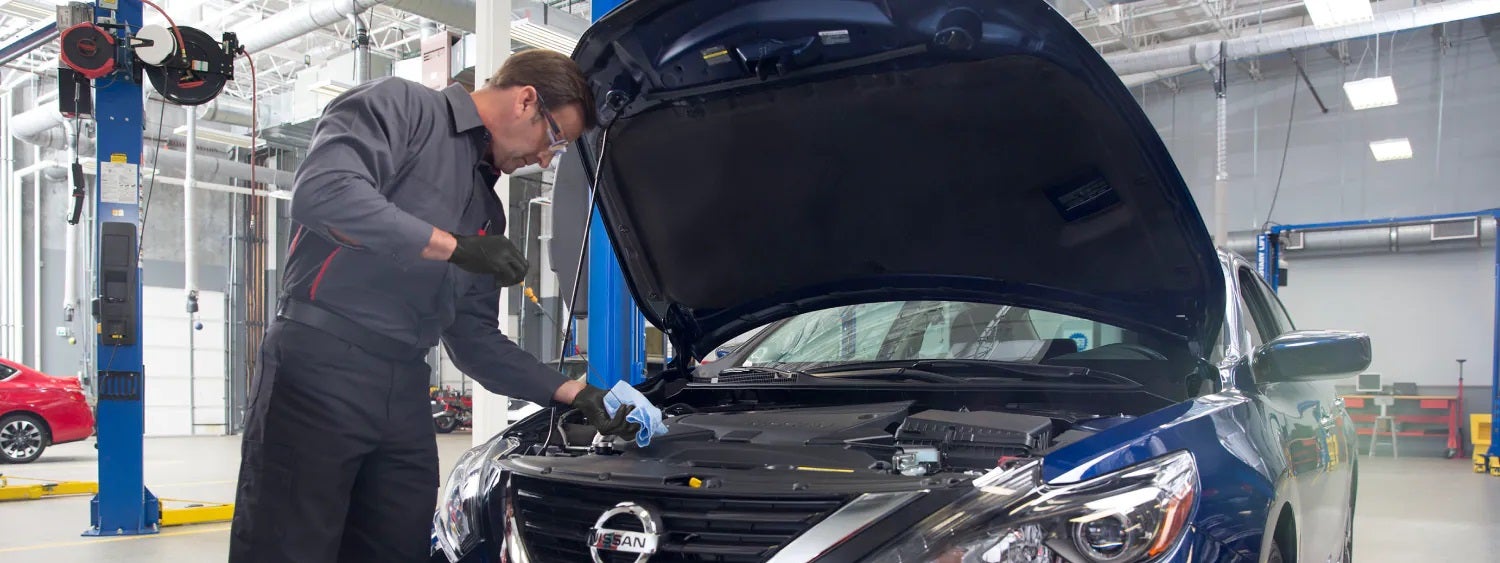
Your Nissan asks for relatively little on an ordinary day. Fuel or a charge, somewhere to park, and routine maintenance when it's due. For gasoline-powered models, few maintenance jobs are more fundamental than keeping the engine supplied with the correct amount of clean oil. A Nissan oil change might be a routine appointment, but the oil itself is doing important work every time you drive. From a Rogue carrying the family around Vancouver, WA, to a Frontier heading out for a weekend away, staying current with scheduled maintenance helps protect the engine you've already invested in. Fresh Oil Is Doing More Work Than You Might Realize An engine contains numerous moving components operating at high speeds and temperatures. Engine oil circulates between those parts, providing lubrication that reduces friction and wear. It also helps manage heat and carries contaminants away from critical areas so they can be captured by the oil filter. Those jobs become harder as the oil ages. Heat, time, contamination, and normal engine operation gradually degrade the oil and its additives. Eventually, it can no longer provide the same level of protection, which is why replacing both the oil and filter at the appropriate interval is such an important part of Nissan maintenance. Old Oil Can Become an Expensive Problem Putting off an oil change doesn't simply mean driving around with darker oil. As oil deteriorates, its ability to lubricate and circulate effectively can decline. Deposits and sludge may accumulate, potentially restricting oil flow and increasing wear on internal engine components. Low oil levels can create additional problems by leaving the engine without the amount of lubricant it requires. Once internal components have been damaged through inadequate lubrication, pouring fresh oil into the engine can't undo that wear. Regular Nissan oil changes are a much simpler proposition. They replace degraded oil before it reaches that point and provide an opportunity to keep track of the engine's condition over time. Your Driving Routine Helps Determine the Schedule There isn't one oil-change interval that applies neatly to every Nissan owner. Your specific model, engine, required oil specification, mileage, and driving conditions all influence maintenance needs. Many newer Nissan vehicles specify synthetic oil, which can provide longer service intervals than some conventional oils, but the maintenance schedule for your vehicle remains the important reference. Driving habits count as well. Frequent short journeys, extensive city driving, towing, and other demanding operating conditions can influence service requirements. Rather than relying on a universal mileage figure, check your Nissan owner's manual and follow the manufacturer-recommended maintenance schedule for your model. Our Nissan service department can also help you determine when your next visit is due. Vancouver Driving Brings Its Own Demands Pacific Northwest driving can involve wet winters, warmer summer journeys, urban traffic, and plenty of shorter trips around Vancouver. Seasonal temperature changes can influence how fluids behave, while repeated short drives may give an engine less time at full operating temperature. Following the appropriate maintenance schedule helps account for the conditions your Nissan encounters throughout the year. It's also worth checking the oil level between scheduled services, particularly before a longer journey. Routine maintenance works best when combined with occasional attention from the person behind the wheel. An Oil Change Is Also an Opportunity to Look Around One useful aspect of regular service is that the vehicle is already in the hands of someone trained to inspect it. During routine maintenance, technicians may have an opportunity to identify visible leaks, worn components, fluid concerns, or other developing issues. Finding something early is generally preferable to discovering it after a warning light appears halfway through a trip. Owners can also combine an oil change with other Nissan maintenance, such as tire rotations or scheduled inspections, reducing the number of separate service visits throughout the year. Check our Nissan service specials before your appointment to see if any current offers apply to the maintenance your vehicle needs. Keep Your Nissan Ready for the Miles Ahead Regular oil changes aren't complicated, and that's part of their value. Use the oil specified for your Nissan, follow the recommended maintenance schedule, and don't ignore warning lights, leaks, or unusual engine behavior between appointments. If your Nissan is approaching its next service interval, schedule a Nissan oil change online with Alan Webb Nissan in Vancouver, WA. Explore our Nissan service options or browse our new Nissan inventory while you're here, and let our team help keep your vehicle prepared for the everyday miles still ahead.
Nissan Brake Service FAQ: Know the Signs Before Your Brakes Get Noisy
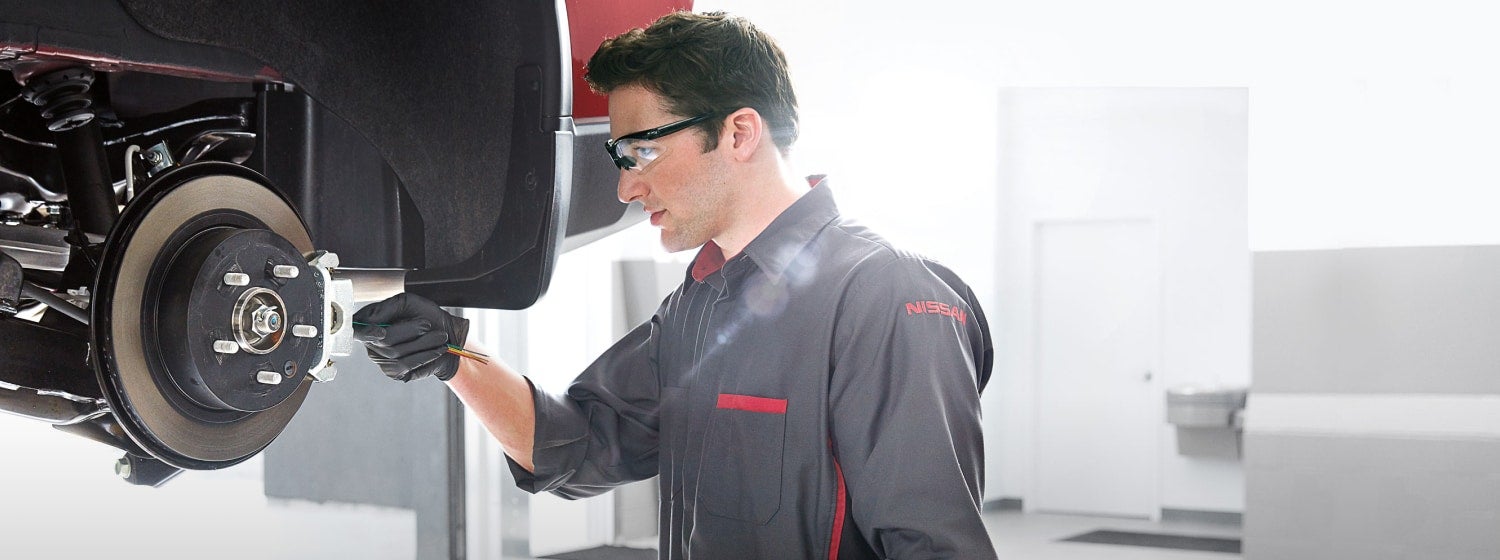
Brakes spend most of their lives being remarkably undramatic. You press the pedal, the car stops, and everyone carries on. That's precisely how you want it. Regular Nissan brake service helps keep things that way. Around Vancouver, WA, where wet roads are a regular part of driving, keeping those components in proper condition is particularly sensible. So, how do you know when your brakes want some attention? What Are Those Noises Trying to Tell You? Brakes can be surprisingly good communicators. A high-pitched squeal can indicate that brake pads are approaching the end of their useful life. Grinding is more concerning and deserves prompt inspection because it can indicate that friction material has worn away and metal components are contacting one another. Noise isn't the only clue. A brake pedal that feels soft or spongy, vibration while slowing, pulling to one side, or a noticeable change in stopping response are all reasons to schedule an inspection. If your Nissan suddenly feels different when braking, don't wait for it to become louder before visiting our Nissan service department. How Often Should You Have the Brakes Checked? Brake wear depends heavily on how and where you drive, so there isn't a single interval that's perfect for every Nissan. An annual inspection is a useful general practice, while your owner's manual and Nissan maintenance schedule provide guidance for your specific model. Drivers regularly dealing with stop-and-go traffic, hills, towing, or other demanding conditions may place greater loads on their braking systems. There's an easy way to make inspections less troublesome: combine them with maintenance you're already doing. When your Nissan comes in for an oil change or tire rotation, ask the service team to inspect the brakes at the same time. What Happens During Nissan Brake Service? A proper brake inspection involves more than glancing through the wheel at the pads. Technicians can examine brake-pad thickness, rotor condition, calipers, and brake fluid while checking for signs of excessive wear, damage, or leakage. Measurements help determine if components remain within appropriate specifications rather than relying on guesswork. If pads are worn, replacement may be recommended. Rotors can also require attention if they're excessively worn, damaged, or scored. Brake fluid deserves its own inspection as well. Its condition is important to reliable hydraulic braking performance, so fluid service should follow the requirements established for your particular Nissan. Why Use Genuine Nissan Brake Parts? Brake components are engineered to work as a system, and fit, materials, and operating characteristics all count. Genuine Nissan brake parts are designed for Nissan vehicles and engineered to meet the specifications intended for the application. That provides a known fit and performance standard when replacement components are required. Drivers comparing maintenance options can explore our Nissan parts department along with current service specials before scheduling their next appointment. Can Vancouver's Rain Affect Braking? Rain doesn't suddenly wear out a healthy braking system, but wet pavement can reduce available tire grip and increase the importance of having the entire vehicle prepared for the conditions. That means brake condition is only part of the picture. Proper tire tread and inflation are also important because the brakes can slow the wheels, but the tires still have to transfer that braking force to the road. Regular Nissan maintenance gives technicians an opportunity to inspect these systems before Vancouver's next stretch of wet weather arrives. Let Your Brakes Stay Boring If your Nissan's brakes are making noise, the pedal feels different, or you're simply due for an inspection, explore our Nissan service options at Alan Webb Nissan in Vancouver, WA. Check our current service specials, then schedule your Nissan brake service online and let our team inspect the system before a little warning becomes a much bigger one.